They Earn Double the Federal Minimum Wage. In California, That's Still a Choice Between Rent or Food. (The Fault Line)
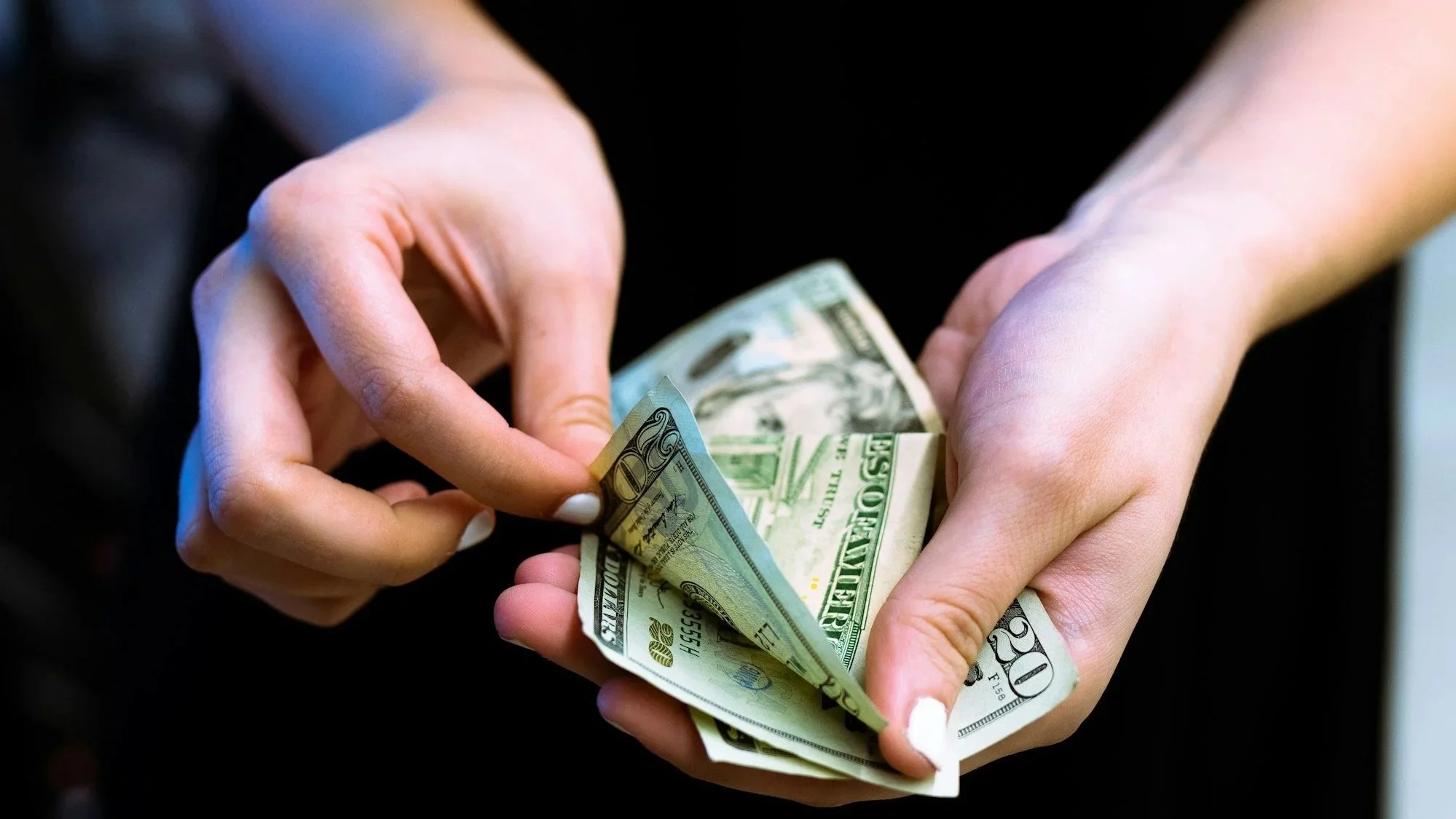
Essential workers say rising costs for housing, groceries and transportation have already swallowed the gains from California's new $16.90 minimum wage.
By Nadra Nittle, May 20, 2026
For Jeannette Diaz, 48-hour workweeks aren’t occasional but the norm. The restaurant server earns $18 an hour — above both the minimum wage of California and of Oakland, where she lives. Yet every dollar she earns is already spoken for, she said.
Her first paycheck of the month goes to rent and bills. The second covers groceries, with what's left going to family abroad. “Sometimes I clean a house or babysit to earn a little extra, but after an eight-hour workday standing, it’s really tiring,” Diaz said.
This year, California raised its state minimum wage to the nation's fourth highest — $16.90 — but the cost of rent, gas and groceries has far outpaced the pay of its lowest earners. Workers’ struggles prompted a coalition of community and labor groups in March to launch the “Oakland and Alameda Living Wage for All Campaign.” The coalition filed ballot initiatives that would require large employers in Oakland and Alameda County to pay a $30 minimum wage by 2030. Smaller employers would have a decade to raise their pay.
“If approved, the measure would position Oakland and Alameda County as the first in the nation to enact a $30 minimum wage,” said Keala Uchôa, communications manager for the Oakland-based Black Organizing Project, one of the coalition leaders. “The timeline and structure of the measure reflect the lived experience of workers across the region, where full-time employment increasingly falls short of covering basic costs.”
A similar effort is underway in Southern California. There, labor advocates are pushing the Los Angeles County Board of Supervisors to propose a $30 minimum wage, up from the current $17.81, which is slated to rise to $18.47 in July. That push follows the L.A. City Council’s decision last year to approve an ordinance that will give tourism workers a $30 minimum wage in 2028, when the city hosts the Summer Olympics.
For many Californians, $30 an hour would be life-changing. According to the Public Policy Institute of California, nearly 30 percent of residents are severely rent burdened — spending more than half their income on housing alone.
Read the full story at the The Fault Line.